The Changing Grid Landscape
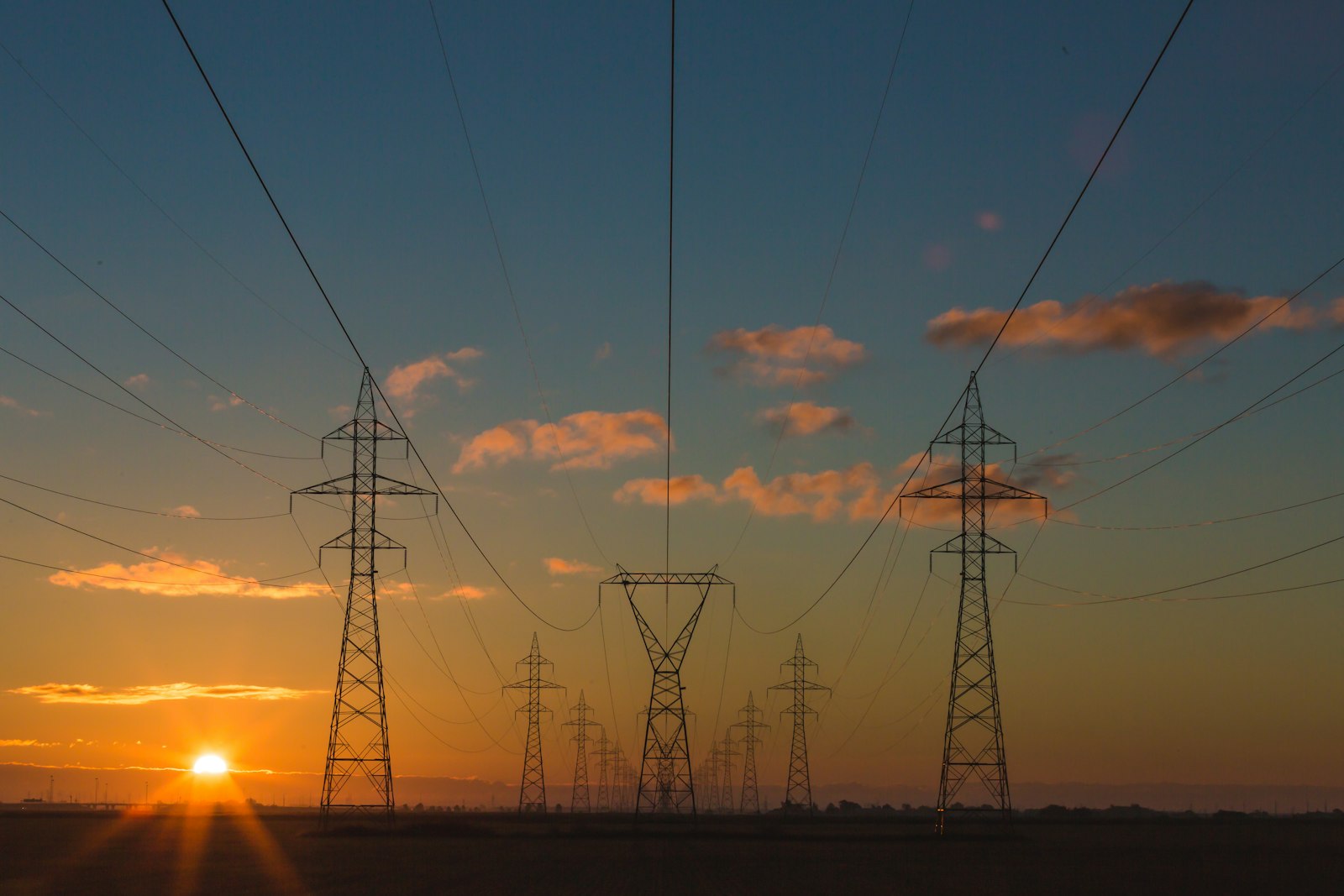
The traditional electrical grid was designed for one-way power flow: large centralized power plants generating electricity that flows through transmission and distribution lines to end users. This model served reliably for decades, but evolving challenges are driving significant changes in grid architecture and operations.
Extreme weather events, aging infrastructure, increasing electrification of transportation and buildings, and the integration of variable renewable energy sources are creating new demands on grid operators. In response, utilities and regulators are investing in distributed energy resources (DERs) as a complement to traditional grid infrastructure.
What Are Distributed Energy Resources?
Distributed energy resources are smaller-scale energy generation and storage systems located close to where electricity is consumed, rather than at centralized power plants. Common examples include:
- Rooftop solar photovoltaic systems: Generating electricity at the point of use
- Battery energy storage: Storing energy for use during peak demand or outages
- Electric vehicles: Potentially providing vehicle-to-grid services in the future
- Smart thermostats and controllable loads: Enabling demand flexibility
- Backup generators: Providing emergency power capacity
Virtual Power Plants
One of the most significant developments in grid modernization is the emergence of virtual power plants (VPPs). A VPP aggregates many distributed energy resources into a coordinated network that can function similarly to a traditional power plant from the grid operator's perspective.
When grid demand peaks or supply becomes constrained, VPP operators can dispatch stored energy from thousands of home batteries simultaneously, providing the equivalent output of a conventional power plant. Participating homeowners typically receive compensation for allowing their batteries to support grid operations during these events.
As of 2026, several utilities in California and other states operate active VPP programs, with enrollment typically managed through battery manufacturers or third-party aggregators.
Demand Response Programs
Demand response programs incentivize customers to reduce or shift electricity consumption during periods of high grid stress. These programs have existed for years in commercial and industrial settings but are increasingly available to residential customers through smart thermostat programs and direct load control.
Common residential demand response opportunities include:
- Smart thermostat programs: Allowing brief temperature adjustments during peak events in exchange for bill credits
- Peak time rebates: Receiving credits for reducing usage below baseline during designated peak hours
- Critical peak pricing: Facing higher rates during peak events, incentivizing load reduction
- Water heater and pool pump control: Allowing utilities to manage high-draw appliances during grid stress
Why Utilities Support Distributed Energy
Utilities are increasingly recognizing distributed energy resources as cost-effective alternatives to traditional infrastructure investments. Key drivers include:
- Deferred infrastructure costs: DERs can reduce the need for expensive transmission and distribution upgrades
- Peak demand management: Battery storage and demand response reduce strain during high-demand periods
- Resilience benefits: Distributed resources can maintain service during localized outages
- Renewable integration: Storage helps balance variable solar and wind generation
- Regulatory requirements: Many states mandate utility investment in distributed resources
Implications for Homeowners
Grid modernization creates multiple opportunity pathways for homeowners. Beyond direct incentives for solar and battery installation, participation in VPP programs, demand response, and time-of-use rate optimization can provide ongoing value streams that improve the economics of distributed energy investments.
Homeowners considering solar or battery installations should evaluate not only upfront incentives but also the long-term value of grid services participation. These programs continue to evolve, with new opportunities emerging as grid operators become more sophisticated in managing distributed resources.
Looking Ahead
The transition to a more distributed, resilient grid will continue to accelerate. Homeowners who invest in qualifying technologies today position themselves to benefit from both current incentive programs and future grid services opportunities as the energy landscape continues to evolve.